SECONDARY DWELLING BASEMENT DRAWINGS
BASEMENT RENOVATION PERMITS IN GTA & SOUTHERN ONTARIO
- Basement Finishing
- Secondary Dwelling Unit
- Layout Change
- Raising Ceiling
- New plumbing
- HVAC / Mechanical
You may want to finish your basement for yourself or turn it into a legal rental income suite. You may want to remove a load bearing wall to make the space more open concept.
For any of these changes, you will need to start with a free remote home inspection in Toronto/Ottawa. This will give everyone a better idea of what the scope of the project will be and what type of drawings and services will be required.
LEADING EXPERTS FOR BASEMENT PERMITS
Once the home assessment is done and we received all the necessary measurements (this may require more than one visit to your home), we will prepare a set of permit drawings. This set includes a site plan, floor plans, elevations, and details as required by the scope of your project in Toronto or elsewhere.
You have the option to take this set of drawings and proceed with the application process, or, you can choose EngineeredPlans apply for the building permit on your behalf.
FAQ'S
Q: How long does a the permit process take?
Q: What is the cost to get the permit?
OUR PROCESS:
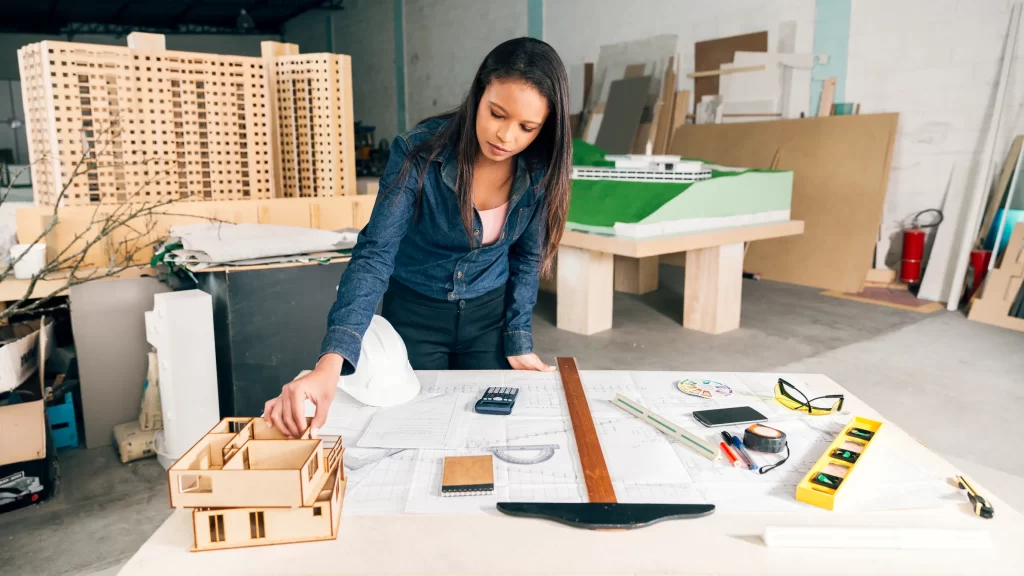
Preparation Include:
- Site Visit & Documentation
- Preliminary Design Review
- Building Permit Drawings
- We Offer Unlimited Design Revision
City Application Includes:
- Prepare Application Form
- Apply Application on Your Behalf
- Response to City Comments & Revise Drawings with NO Additional Charge
- Obtain Building Permit Approval
Post Permit Approval:
- Clarify Contractor Questions
- Permit resubmission due to design change
Recent Work
Frequently Asked Questions
Please reach us at if you cannot find an answer to your question.
DO YOU NEED A PERMIT TO CONSTRUCT A SECONDARY DWELLING IN YOUR HOME?
In Ontario, obtaining a permit is necessary for renovating a basement. Specifically, basement renovations that involve structural modifications, changes to plumbing or electrical systems, or the creation of a livable space mandate the need of building permits.
Such renovations without the essential permits can result in fines and complications. Therefore, it is recommended to secure the appropriate permits before commencing any basement renovation project in Ontario.
WHAT IS SHOWN ON BASEMENT RENOVATION PERMIT DRAWINGS?
Permit drawings for basement renovations have complete architectural and structural plans the current basement layout and the proposed changes to the basement.
These drawings are vital when seeking a building permit. These drawings show clear information needed by the city and include a site plan, floor plans, elevations, and requisite details. Local authorities utilize these permit drawings to evaluate proposed changes, ensuring adherence to building codes, safety regulations, and zoning ordinances. The precision and comprehensiveness of these drawings play a pivotal role in securing legal approval to proceed with your basement renovation project.
HOW LONG DOES A THE SECONDARY DWELLING PERMIT PROCESS TAKE?
Building permits are typically needed for construction, demolition, renovation, and additions to residential, commercial, and industrial properties. Projects involving changes to a building’s structure, plumbing, or mechanical systems often require permits
The timeline for obtaining a building permit depends on the complexity of your project and the workload of the city’s building department. Simple projects may be approved in a few weeks, while more complex projects can take several months
IS IT POSSIBLE TO CHANGE YOUR DESIGN ONCE THE PERMIT IS APPROVED?
Modifying permit drawings during construction can be possible, but it often depends on the nature and extent of the changes.
We recommend reaching out us to resolve changes in your current construction project. We will talk with the city and inspector to accurately show changes that were made one site after getting the permit approved. It’s essential to communicate any alterations promptly to us. We can assess the modifications and determine if they comply with regulations, and guide you on the necessary steps for approval.
WHAT HAPPENS IF MY PERMIT DRAWINGS ARE REJECTED BY THE CITY OF TORONTO? HOW CAN I ADDRESS THE ISSUES AND RESUBMIT FOR BUILDING PERMIT APPROVAL?
WHAT SPECIFIC INFORMATION IS NEEDED FOR BASEMENT RENOVATION PERMIT DRAWINGS?
Incorporating crucial information like floor plans, elevations, sections, site plans, and construction specifications is imperative when creating permit drawings for a basement renovation. These drawings offer a comprehensive visual depiction of both the current layout and the intended changes, ensuring alignment with local building codes and regulations. The inclusion of all necessary details aids local authorities in accurately evaluating the project, facilitating the approval process for the permit required for your basement renovation.
HOW LONG IS A BASEMENT RENOVATION PERMIT VALID ONCE IT IS APPROVED?
The duration of a basement renovation permit in Toronto ranges from 6 months to 2 years, contingent on the permit category and the complexity of the project. It’s important to be mindful of the permit’s expiration date and initiate the process for renewal or extension if required, ensuring compliance with the stipulated timeframe.
BUT WHAT ABOUT THE FASTRACK SERVICE FROM THE CITY OF TORONTO THAT LETS YOU GET A PERMIT WITHIN 5 DAYS?
The FASTRACK building Building permit service aims to issue permits for specific home renovation projects within a 5-business-day timeframe. However, it’s important to note that FASTRACK applications are designed for minor interior renovations and projects without any external work. For more extensive projects like additions, garages, or new builds, the processing time is typically longer, depending on the project’s individual scope.
It’s often overlooked that the city of Toronto involves different departments in reviewing various aspects of an application. Different departments handle HVAC, life safety, and structural drawings. If your project involves external work, such as building an addition or a shed, the city of Toronto will also review it to ensure compliance with zoning by-laws. Obtaining a Building permit entails more than just submitting a few documents, which is why the process generally extends beyond the 5-day period.
WHAT IF I MOVE INTO A HOME THAT WAS ALTERED WITHOUT A BUILDING PERMIT?
CAN YOU SELL A HOUSE WITH UNPERMITTED WORK IN ONTARIO?
According to legal obligations, sellers are required to disclose any additions or unpermitted work they are aware of. However, openly addressing this situation allows for collaboration with buyers, reassuring them that necessary adjustments can be undertaken. Selling a house with minor unpermitted work is indeed a viable possibility.